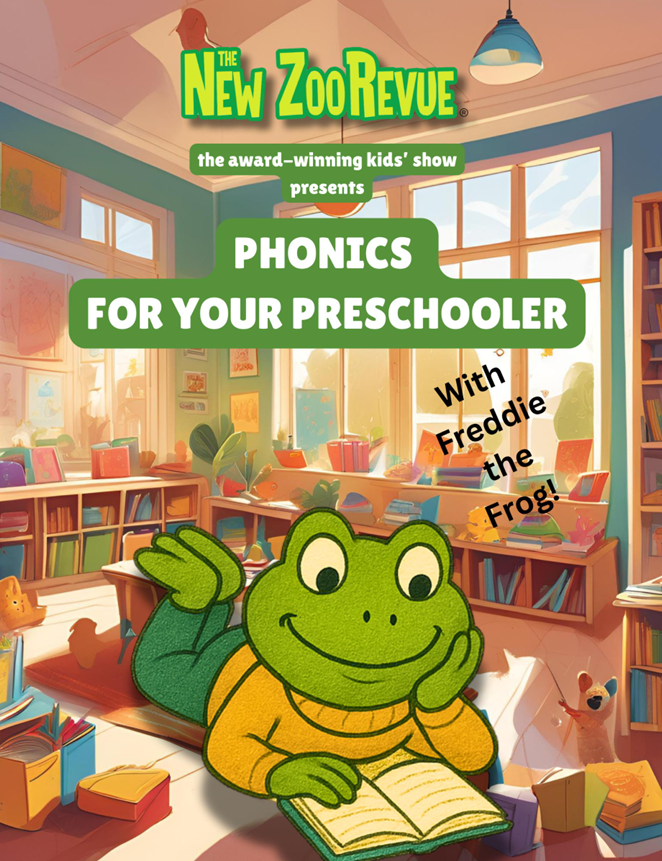
Phonics plays a foundational role in early childhood development
Phonics plays a foundational role in early childhood development by helping young children connect spoken sounds to written letters, which supports learning across multiple domains—not just reading.
🧠 Cognitive Development
Strengthens phonemic awareness—the ability to hear, identify, and manipulate sounds.
Builds memory and attention as children learn sound–letter patterns.
Encourages problem-solving, as kids decode unfamiliar words independently.
🗣️ Language & Speech Development
Improves pronunciation and articulation by breaking words into sounds.
Expands vocabulary, helping children recognize and use new words more confidently.
Supports listening skills, a key component of early communication.
📖 Early Literacy & Academic Readiness
Lays the groundwork for reading fluency and comprehension.
Helps children understand that print has meaning, a major early literacy milestone.
Prepares kids for structured reading instruction in kindergarten and beyond.
💪 Social & Emotional Development
Builds confidence and independence as children begin reading on their own.
Reduces frustration by giving children tools to decode words instead of guessing.
Encourages a positive relationship with learning, especially when taught playfully.
🧩 Executive Function & Learning Habits
Supports sequencing skills (sounds → words → meaning).
Reinforces persistence and focus, important for classroom learning.
Helps children follow patterns and routines used across subjects.
🌱 Why It Matters Early
Early exposure to phonics—especially through songs, stories, movement, and play—leverages the brain’s peak language-learning window (ages 2–6). Children who develop strong phonics skills early are more likely to become confident readers and learners later in life.